FairData Solutions Home

Category

Data Governance

19 articles

Governing the Silence: What Enterprises Owe Customers Who Have Gone Quiet

Governing the Silence: What Enterprises Owe Customers Who Have Gone Quiet

Most enterprises hold vast archives of data belonging to people who will never log in again — lapsed customers, closed accounts, and the deceased. This piece examines what fair stewardship looks like when there is no one left to ask, and how US organizations can build guardianship frameworks for the silent.


Consent Is Not a Timestamp: Why Enterprises Must Treat Data Permissions as Living Agreements

Consent Is Not a Timestamp: Why Enterprises Must Treat Data Permissions as Living Agreements

Most enterprises record consent once and never revisit it, treating a moment of agreement as a permanent grant of authority. As business contexts evolve and data uses expand, those original permissions quietly become liabilities. This article examines how consent decays over time and what it takes to build a governance model that keeps permissions genuinely current.

From Agreement to Assumption: How Enterprise Consent Quietly Loses Its Meaning

From Agreement to Assumption: How Enterprise Consent Quietly Loses Its Meaning

Consent rarely disappears in a single, identifiable moment. Instead, it erodes gradually through a series of small, seemingly reasonable decisions that collectively transform a specific permission into a broad organizational assumption. Understanding the mechanisms behind this decay is the first step toward building governance structures that keep consent anchored to its original intent.

Compliant but Not Fair: The Gap Between Regulatory Minimums and Genuine Respect for Data Subjects

Compliant but Not Fair: The Gap Between Regulatory Minimums and Genuine Respect for Data Subjects

Meeting legal requirements is not the same as treating the people behind your data with genuine fairness. Many enterprises satisfy regulators while quietly operating practices that are extractive, opaque, or disproportionately harmful to the individuals whose information they hold. Closing that gap requires a deliberate ethical standard that no compliance checklist can supply.

Retention by Reflex: Why Enterprises Can't Tell the Difference Between Legal Obligation and Organizational Habit

Retention by Reflex: Why Enterprises Can't Tell the Difference Between Legal Obligation and Organizational Habit

Most enterprises believe their data retention practices are driven by regulatory necessity. In reality, a significant portion of what organizations classify as 'required' retention is rooted in institutional anxiety rather than actual legal mandate. Understanding the difference is not merely a compliance exercise — it is a foundational act of responsible data stewardship.

Collected in Haste, Governed at Leisure: How Rapid Data Accumulation Creates Compounding Ethical Obligations

Collected in Haste, Governed at Leisure: How Rapid Data Accumulation Creates Compounding Ethical Obligations

Enterprises that aggressively collect data during periods of rapid growth or operational crisis rarely account for the governance burdens they are importing alongside the information itself. What begins as a pragmatic 'just in case' decision quietly compounds into a portfolio of ethical and compliance obligations that grows more difficult to manage with every passing quarter. Understanding how this debt accumulates—and what it ultimately costs—is the first step toward breaking the cycle.

Deferred, Not Deleted: How Postponed Data Decisions Quietly Bankrupt Enterprise Governance

Deferred, Not Deleted: How Postponed Data Decisions Quietly Bankrupt Enterprise Governance

Every data governance decision that gets pushed to next quarter accumulates interest — in the form of regulatory exposure, remediation cost, and operational friction. This article examines how enterprises fall into the data debt trap and offers a practical framework for identifying which deferred decisions carry the highest compounding liability.

Invisible Inventory: How Enterprise Data Exhaust Is Quietly Accumulating Into a Regulatory Liability

Invisible Inventory: How Enterprise Data Exhaust Is Quietly Accumulating Into a Regulatory Liability

Most enterprises focus their compliance programs on the data they deliberately collect, but regulators are increasingly scrutinizing what organizations keep by default—logs, metadata, transaction artifacts, and system-generated records that accumulate without intention or oversight. This growing category of operational byproduct, often called data exhaust, is creating unexpected exposure for businesses that have never established a coherent policy for distinguishing necessary records from accumu

The Hidden Economy of Derived Data: What Enterprises Owe the People Behind the Numbers

The Hidden Economy of Derived Data: What Enterprises Owe the People Behind the Numbers

Enterprises routinely generate secondary data products—behavioral profiles, inferential analytics, usage patterns—from information collected for entirely different purposes. This article examines the ethical and legal gray zones surrounding derivative data monetization and offers a practical framework for auditing secondary value extraction while establishing fair, transparent practices for the stakeholders whose behavior fuels it.

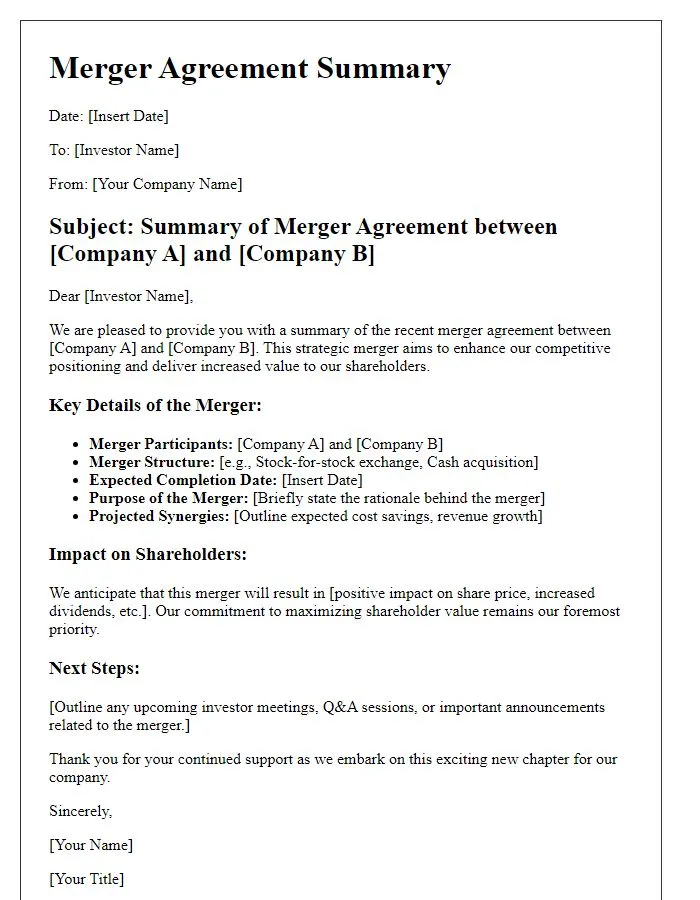
Inherited Liability: Why Mergers and Acquisitions Are Quietly Becoming Your Enterprise's Biggest Data Governance Problem

Inherited Liability: Why Mergers and Acquisitions Are Quietly Becoming Your Enterprise's Biggest Data Governance Problem

Every acquisition brings with it a data ecosystem that was built by different people, under different assumptions, for different purposes. Without rigorous data due diligence conducted before a deal closes, enterprises inherit compounding compliance liabilities that can dwarf the strategic value the acquisition was supposed to deliver. This article examines how acquisition-driven growth becomes a data governance crisis—and what serious organizations are doing to get ahead of it.

The Compliance Theater Problem: How Audit Culture Is Undermining Genuine Data Accountability

The Compliance Theater Problem: How Audit Culture Is Undermining Genuine Data Accountability

Compliance audits are widely regarded as the cornerstone of responsible data governance, yet mounting evidence suggests that traditional audit cycles may be actively discouraging the transparent, continuous improvement they are meant to incentivize. When enterprises optimize for audit performance rather than ethical practice, the audit becomes a performance — and real accountability disappears behind a carefully staged presentation. This article examines the structural dynamics driving this outc

Permission Structures Built for a Different Era: The Quiet Collapse of Legacy Consent

Permission Structures Built for a Different Era: The Quiet Collapse of Legacy Consent

Across the American enterprise landscape, a slow-motion crisis is unfolding inside data governance programs: the permissions that underpin vast troves of customer data were granted under conditions that no longer exist, to companies that have since merged or rebranded, through mechanisms that regulators and courts are increasingly unwilling to honor. The accumulation of this 'consent debt' is not merely a compliance inconvenience — it is a structural threat to how enterprises use customer data a

Compliance Blind Spots: Why Enterprises Cannot See Their Own Data Clearly

Compliance Blind Spots: Why Enterprises Cannot See Their Own Data Clearly

Most enterprises operate under the assumption that their data is organized, catalogued, and audit-ready—until a regulator asks a question they cannot answer. The barriers preventing comprehensive data audits are rarely technical alone; they are deeply organizational and cultural. This article examines those barriers and presents a phased approach to building audit capabilities that hold up under real scrutiny.

Hidden in Plain Sight: How Uncharted Data Repositories Become Your Biggest Compliance Liability

Hidden in Plain Sight: How Uncharted Data Repositories Become Your Biggest Compliance Liability

Most enterprises are sitting on a sprawling, unmapped collection of legacy systems, departmental databases, and forgotten cloud instances that quietly undermine compliance and security posture. Conducting a thorough data inventory is not optional—it is the foundational act of responsible governance. This guide walks through practical audit frameworks and consolidation strategies that reduce risk without disrupting operations.

The True Price of Keeping Everything: How Data Hoarding Quietly Drains Your Compliance Budget

The True Price of Keeping Everything: How Data Hoarding Quietly Drains Your Compliance Budget

Most enterprises treat data retention as a storage problem, not a financial one—until a regulatory audit or breach forces them to reckon with the real cost. This analysis examines how excessive data accumulation generates compounding compliance liabilities, inflated incident response expenses, and avoidable regulatory penalties that rarely appear on a CTO's dashboard. The numbers may surprise even the most cost-conscious technology leaders.

When Data Ethics Is Just a Branding Exercise: Five Warning Signs and the Fixes That Actually Work

When Data Ethics Is Just a Branding Exercise: Five Warning Signs and the Fixes That Actually Work

A growing number of enterprises have launched data ethics initiatives in recent years, but not all of these programs deliver the organizational change they promise. From ethics committees that lack real authority to AI governance policies that ignore bias, performative ethics is a recognized and consequential problem. This article examines five specific warning signs that a data ethics program has become corporate theater—and offers concrete remedies for each.